 By Owner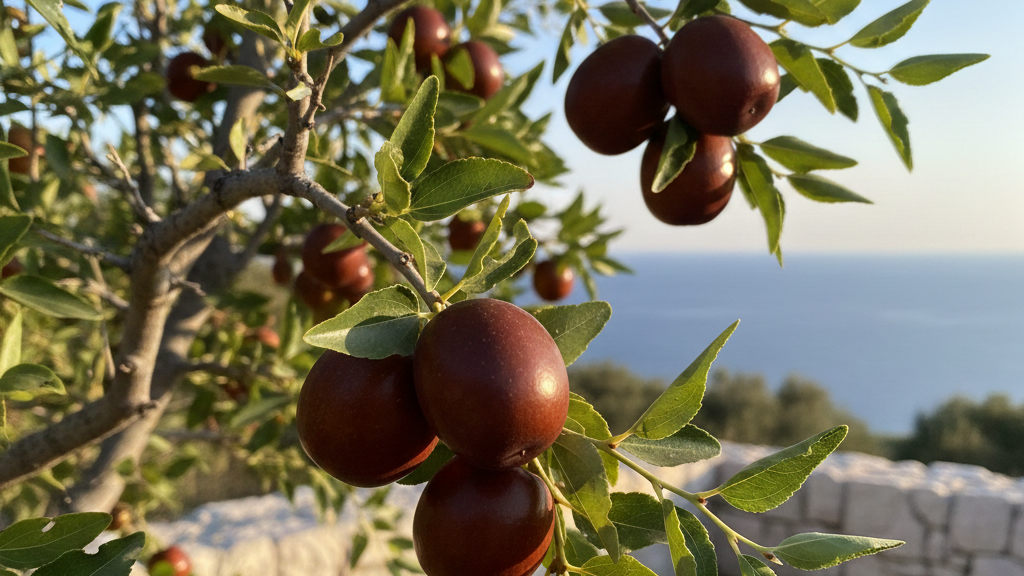
The Mediterranean basin is home to many botanical wonders, but few are as historically rich and biologically resilient as the Žižole. Known scientifically as Ziziphus jujuba and often referred to as the “Chinese Date” in international markets, the Žižole is a fruit that bridges the gap between ancient herbal tradition and modern gourmet cuisine. Particularly across the Adriatic coast, from the Istrian peninsula down to the Dalmatian islands, this small, mahogany-hued fruit is celebrated as a seasonal herald of autumn, offering a unique flavor profile that evolves from a crisp apple-like tartness to a deep, honeyed sweetness.
Understanding the Botanical Roots of Žižole
To truly appreciate the Žižole, one must understand its origin and its remarkable ability to thrive where other plants fail. While the species is believed to have originated in South Asia over 4,000 years ago, it has been integrated into the Mediterranean landscape for so long that it is considered a cornerstone of local biodiversity.
The Žižole tree is a deciduous plant characterized by its hardy, gnarled trunk and branches laden with small, shiny green leaves. One of its most distinctive physical traits is its defensive thorns, which protect the developing fruit from local wildlife. The tree is a master of adaptation; it can withstand scorching summer temperatures exceeding 40°C and survive winter frosts, making it an ideal inhabitant of the rugged, limestone-rich soils found along the coast.
The Growth and Maturation of the Žižole Fruit
The life cycle of the Žižole is a fascinating display of nature’s chemistry. Unlike many fruits that are best consumed at a single peak of ripeness, the Žižole offers different experiences at various stages of its development.
The Early Phase: The “Green Apple” Stage
In late August, the Žižole is firm, smooth, and light green. At this stage, the texture is remarkably similar to a miniature Granny Smith apple—crunchy, juicy, and slightly acidic. Many locals enjoy them as a refreshing snack during the tail end of the summer heat.
The Transition: The Mottled Stage
As September progresses, the skin of the Žižole begins to develop reddish-brown spots. This mottling indicates that the starches within the fruit are converting into sugars. The flavor becomes milder, losing its sharp acidity and gaining a subtle sweetness.
The Peak: The Mahogany Date
When the fruit turns completely brown and begins to wrinkle slightly, it has reached its full potential. The flesh becomes spongy and airy, and the taste transforms into something reminiscent of a high-quality date or a dried fig. This is when the Žižole is most prized for its concentrated nutritional value and sugar content.
The Nutritional Powerhouse: Why Žižole is a Superfood
In recent years, health enthusiasts have “rediscovered” the Žižole due to its incredible density of vitamins and minerals. It is not merely a treat; it is a functional food that supports various bodily systems.
A Massive Boost of Vitamin C
One of the most impressive statistics regarding the Žižole is its Vitamin C content. It contains significantly more Vitamin C than lemons or oranges. This high concentration makes the fruit an essential tool for boosting the immune system, particularly as the seasons shift and the risk of common colds increases.
Antioxidants and Anti-Inflammatory Properties
The Žižole is packed with flavonoids, polysaccharides, and triterpenic acids. These compounds act as powerful antioxidants that help the body combat oxidative stress. By neutralizing free radicals, the consumption of Žižole may contribute to long-term cellular health and reduced inflammation in the joints and tissues.
Mineral Density
The fruit is a natural source of:
-
Potassium: Helps regulate fluid balance and nerve signals.
-
Iron: Essential for the production of red blood cells.
-
Phosphorus: Supports bone health and energy metabolism.
Culinary Applications of the Žižole
The versatility of the Žižole in the kitchen is a testament to the creativity of Mediterranean coastal dwellers. While the fruit is delightful when eaten fresh, it serves as a base for several traditional delicacies.
The Art of Žižole Liqueur
In Croatia, particularly in the region of Skradin, the production of Rakija od žižula is an ancestral craft. The process involves:
-
Placing ripe Žižole in a large glass jar.
-
Adding local grape brandy (Lozovača).
-
Incorporating sugar, lemon zest, and sometimes a stick of vanilla.
-
Leaving the mixture in a sunny spot for six weeks.
The result is a silky, amber-colored liqueur that is often served as a “medicinal” aperitif or digestive.
Marmalades and Syrups
Because the Žižole is naturally high in pectin, it is an ideal candidate for jam making. Žižole marmalade has a deep, earthy sweetness that pairs exceptionally well with sharp, aged sheep’s milk cheese (like Paški sir). Furthermore, a thick syrup made from boiled jujubes is often used as a natural sweetener in desserts.
The Medicinal Heritage of the Žižole
The use of Žižole in traditional medicine is well-documented across both European and Asian cultures. It has earned a reputation as a “natural sedative” and a digestive aid.
Better Sleep and Anxiety Reduction
The seeds of the Žižole contain compounds known as saponins, which are believed to have a calming effect on the nervous system. In many Mediterranean households, a tea brewed from dried Žižole is the go-to remedy for insomnia or general restlessness.
Digestive Support
The high fiber content in the Žižole helps regulate the digestive tract. It has been used for centuries to alleviate constipation and improve overall gut health. Additionally, some folk remedies suggest that consuming the fruit can help soothe stomach ulcers and reduce bloating.
Cultivating the Žižole Tree: A Sustainable Choice
For those interested in sustainable gardening, the Žižole tree is an excellent addition to any orchard. Its low-maintenance nature makes it a “lazy gardener’s” dream.
Soil and Water Requirements
The Žižole is not picky about its soil. While it prefers well-drained, alkaline earth, it can survive in poor, rocky terrain where other fruit trees would perish. Once established, the tree is extremely drought-tolerant, requiring very little supplemental watering even during dry Mediterranean summers.
Resistance to Pests
One of the biggest advantages of the Žižole tree is its natural resistance to pests and diseases. Unlike olives, which face the constant threat of the olive fly, or grapes, which are susceptible to mildew, the Žižole rarely requires chemical interventions. This makes it an inherently organic crop.
The Cultural Landscape: Žižole as a Symbol of Heritage
In the villages of the Adriatic, the Žižole tree is more than just a source of food. It is a symbol of the “old ways.” You will often find a single, ancient Žižole tree standing in the courtyard of a stone house, planted by a grandfather or great-grandfather.
The annual harvest of the Žižole is a communal event. It marks the transition from the busy tourist season to the quiet, introspective months of autumn. The fruit is shared among neighbors, used as a gift, and preserved for the winter holidays. This cultural attachment ensures that despite the rise of industrial farming, the Žižole remains a staple of the local identity.
Selecting and Preserving Your Žižole
If you are purchasing Žižole from a market, follow these tips to ensure you get the best quality:
-
Texture Check: If you want to eat them fresh, the skin should be tight and the fruit should feel heavy for its size.
-
Drying at Home: You can easily dry your own Žižole. Simply spread them out in a single layer in a sunny, well-ventilated spot for several days. Once they are shriveled and dry to the touch, they will keep for a year or more.
-
Freezing: While not traditional, you can freeze the pulp of the Žižole to use in smoothies or baking later in the year.
Conclusion
The Žižole is a true gem of the Mediterranean, embodying the resilience and richness of the coastal landscape. Whether you are drawn to its impressive nutritional profile, its unique evolving flavor, or its deep-rooted cultural significance, there is no denying that this “small date” has a big impact. As we move toward a world that values sustainable, local, and functional foods, the Žižole is perfectly positioned to take center stage. From the rocky soils of Dalmatia to the modern dinner table, it remains a timeless reminder of nature’s bounty.
Frequently Asked Questions (FAQs)
1. Is the Žižole the same as a regular date?
No. While they are often called “Chinese Dates,” the Žižole comes from a deciduous tree (Ziziphus jujuba), whereas regular dates come from the Date Palm (Phoenix dactylifera). They have different textures and nutritional profiles.
2. When is the best time to harvest Žižole?
The harvest typically occurs from late September through October. For a crisp taste, harvest when they are just beginning to turn brown. For a sweet, date-like taste, wait until they are fully brown and slightly wrinkled.
3. Can I grow a Žižole tree in a cold climate?
Yes. Many varieties of the Žižole tree are cold-hardy and can withstand temperatures as low as -15°C to -20°C when dormant. However, they need a long, hot summer for the fruit to ripen properly.
4. How do I make Žižole tea?
To make a soothing tea, boil 5–10 dried Žižole in a liter of water for about 20 minutes. You can add ginger or cinnamon for extra flavor. The tea is excellent for relaxation before bed.
5. Does the Žižole have any caffeine?
No, the Žižole is naturally caffeine-free. In fact, it is specifically used to promote relaxation and sleep, making it the opposite of a caffeinated stimulant.