 By Owner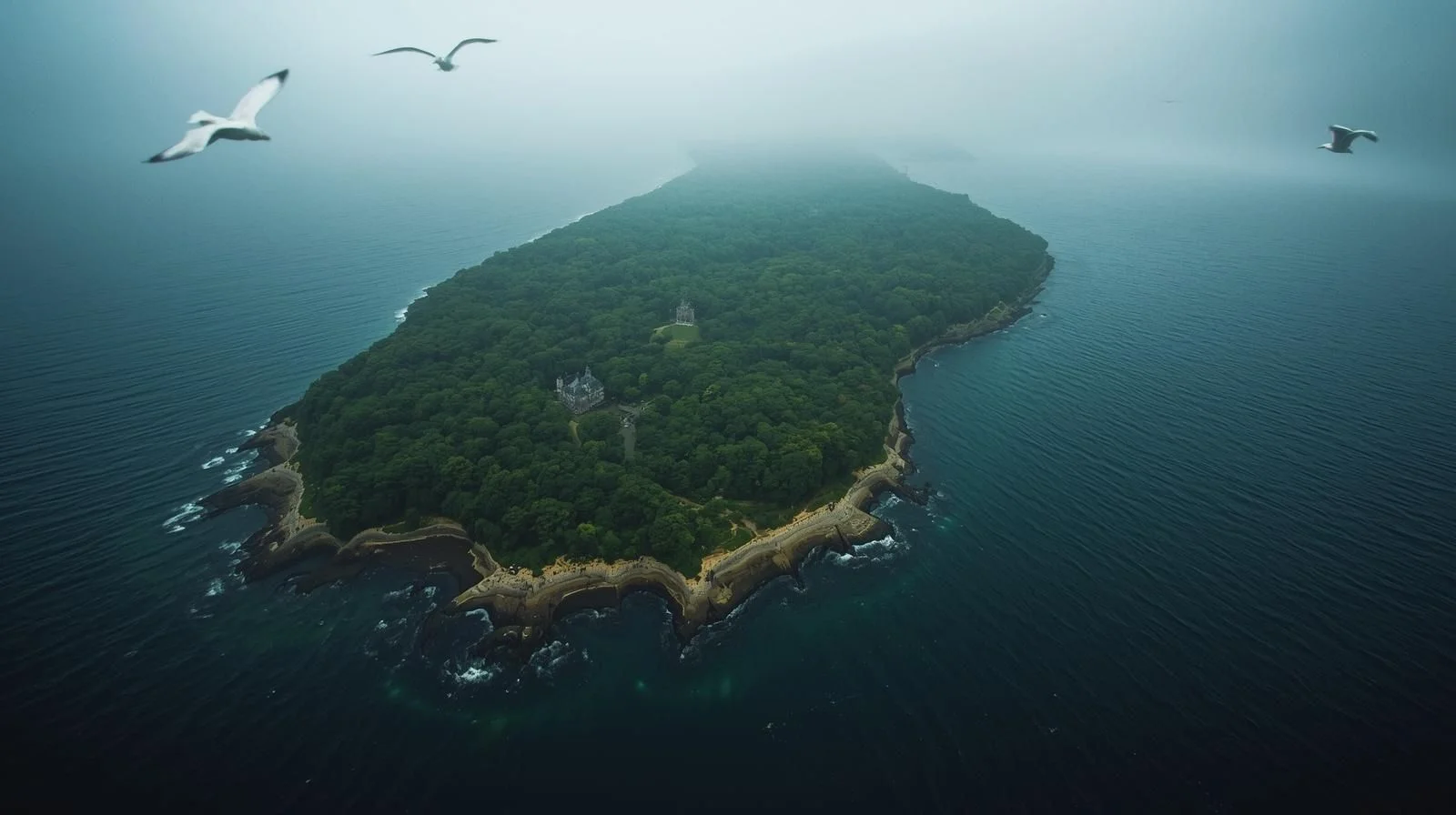
Plum Island Southold NY 11957 is one of the most intriguing and historically significant locations off the coast of Long Island’s North Fork. Situated just east of Orient Point in the Town of Southold, this small island has long captured public curiosity due to its restricted access, federal research facilities, and breathtaking natural landscapes. While many know it as a former government research site, Plum Island is also a place of ecological richness, maritime heritage, and ongoing transformation.
Although closed to the general public for decades, the island remains a topic of discussion among historians, environmentalists, and local residents alike. From its early military roots to its role in animal disease research and its proposed redevelopment, Plum Island Southold NY 11957 stands at the intersection of science, conservation, and community interest.
The Geographic Setting of Plum Island Southold NY 11957
Located in the waters between Long Island, New York, and Connecticut, Plum Island lies within the Town of Southold in Suffolk County. The island spans roughly 840 acres and is separated from the mainland by Plum Gut, a narrow and fast-moving channel known for strong currents.
Proximity to Key Locations
Plum Island sits just off:
-
Southold
-
Orient Point
-
The Connecticut shoreline across Long Island Sound
Its position makes it geographically strategic and environmentally diverse. The surrounding waters are part of Long Island Sound’s delicate marine ecosystem, supporting fisheries, seabirds, and marine mammals.
Early History of Plum Island Southold NY 11957
Indigenous and Colonial Period
Before European settlement, Native American tribes inhabited the surrounding regions of Long Island. While there is limited documentation about permanent settlement on Plum Island itself, the waters and nearby mainland were essential for fishing and trade.
In the colonial era, the island was used primarily for farming and grazing. Sheep were raised on the island during the 18th and 19th centuries, and the name “Plum Island” is believed to derive from the wild beach plums that grow naturally along its shores.
Military Roots and Strategic Importance
Fort Terry and Coastal Defense
In 1897, the U.S. government established Fort Terry on Plum Island as part of a coastal defense system designed to protect New York Harbor and Long Island Sound. The installation included gun batteries, barracks, and administrative buildings.
During the Spanish-American War and later World War I and World War II, Fort Terry played a defensive role, though it never saw direct combat. Over time, advancements in military technology made coastal artillery less relevant, and the base’s defensive function diminished.
By the mid-20th century, the military presence transitioned toward scientific research rather than defense.
The Plum Island Animal Disease Center
One of the most defining chapters in the story of Plum Island Southold NY 11957 began in 1954, when the U.S. Department of Agriculture established the Plum Island Animal Disease Center (PIADC). The facility was tasked with studying foreign animal diseases that could threaten American livestock.
Purpose and Research Focus
The primary focus of the center was researching highly contagious livestock diseases such as foot-and-mouth disease. Because these diseases do not naturally occur in the United States, the island’s isolation made it an ideal containment site.
The facility later came under the oversight of the U.S. Department of Homeland Security in 2003, reflecting broader concerns about agricultural biosecurity and bioterrorism.
Public Curiosity and Conspiracy Theories
Due to its restricted access and secretive reputation, Plum Island has often been the subject of speculation. Books like The Plum Island Animal Disease Center fueled public interest, as did fictional works such as Plum Island by Nelson DeMille.
However, official records consistently indicate that research conducted on the island focused on animal diseases, not human biological experimentation. Despite rumors, there is no verified evidence supporting more sensational claims.
Ecological Significance of Plum Island Southold NY 11957
Beyond its research history, Plum Island is an ecological treasure. Because public access has been limited for decades, much of the island has remained undisturbed.
Wildlife and Habitats
The island features:
-
Maritime forests
-
Grasslands
-
Wetlands
-
Sandy beaches
These habitats support a wide variety of species, including migratory birds, seals, and rare plants. Environmental studies have identified the island as an important stopover for birds traveling along the Atlantic Flyway.
The relatively untouched condition of Plum Island Southold NY 11957 has made it a valuable site for conservationists advocating for permanent wildlife refuge status.
Transition and Closure of Research Operations
In recent years, federal authorities announced plans to relocate research operations from Plum Island to a new facility in Manhattan, Kansas. The new National Bio and Agro-Defense Facility (NBAF) was designed to replace the aging infrastructure on the island.
As operations gradually shifted, questions arose about the future of Plum Island Southold NY 11957.
Sale and Redevelopment Discussions
Initially, the federal government considered selling the island to private developers. However, environmental groups and local officials expressed concerns about overdevelopment and ecological damage.
In 2020, the State of New York reached an agreement to preserve Plum Island as protected land, marking a significant shift from previous redevelopment proposals.
Preservation Efforts and Environmental Advocacy
Local advocacy organizations, including the Preserve Plum Island Coalition, worked tirelessly to ensure the island would not become a luxury housing development.
Supporters of preservation argue that Plum Island Southold NY 11957 represents:
-
A rare undeveloped coastal landscape
-
An ecological buffer zone
-
A historically significant federal site
By maintaining the island as open space or wildlife refuge, the region benefits from environmental protection and long-term sustainability.
Cultural and Literary Impact
Plum Island has also made its mark in popular culture. The mystery surrounding the island inspired novels, documentaries, and television discussions.
Most notably, Nelson DeMille’s thriller Plum Island brought fictional intrigue to the real-life location, increasing national awareness. Although the novel centers on a murder mystery rather than scientific research, it contributed to the island’s enigmatic reputation.
This blending of fact and fiction has helped cement Plum Island Southold NY 11957 as a place of both documented history and imaginative storytelling.
Maritime Importance and Navigation
Plum Island’s surrounding waters are known for strong tidal currents, particularly in Plum Gut. Mariners navigating Long Island Sound must account for these powerful flows.
The nearby Plum Island Light has historically guided ships through these waters. Built in the 19th century, the lighthouse remains a recognizable landmark and symbol of the island’s maritime heritage.
Economic and Community Impact on Southold
The Town of Southold has long had a unique relationship with Plum Island. While the island itself was federally controlled, its proximity influenced local employment and economic activity.
Employment and Infrastructure
Many Southold residents worked at the research facility over the decades. The presence of federal staff and operations contributed to the regional economy.
With the closure of research operations, some economic adjustments were necessary. However, preservation plans have opened opportunities for conservation funding, historical tourism potential, and long-term environmental research initiatives.
The Future of Plum Island Southold NY 11957
The future of Plum Island is increasingly focused on preservation rather than development. Environmental assessments, cleanup operations, and long-term planning are central to this transition.
Potential as a Wildlife Refuge
Many experts envision the island becoming part of the National Wildlife Refuge system. Its isolation, diverse habitats, and minimal residential development make it an ideal candidate.
While public access may remain limited to protect sensitive ecosystems, educational programs and controlled visitation could eventually be introduced.
Why Plum Island Southold NY 11957 Matters Today
Plum Island is more than a former research site. It represents:
-
The evolution of national biosecurity policy
-
The balance between secrecy and public curiosity
-
The importance of environmental conservation
-
The historical layers of American military and scientific development
As communities increasingly prioritize sustainability and historical preservation, Plum Island Southold NY 11957 serves as a compelling example of how a once-restricted federal property can transition toward ecological stewardship.
Conclusion: A Legacy of Science, Secrecy, and Stewardship
Plum Island Southold NY 11957 stands as one of Long Island’s most fascinating landmarks. From its early agricultural use and military defenses at Fort Terry to its decades as a federal animal disease research center, the island has continually evolved.
Today, the focus has shifted from containment and secrecy to conservation and preservation. The island’s untouched landscapes, rich wildlife habitats, and historical structures offer an opportunity to protect a rare coastal environment for future generations.
As the story of Plum Island continues to unfold, it remains a powerful reminder that places shaped by science and strategy can also become symbols of environmental responsibility and community advocacy. Its legacy is not just about what happened there in the past—but what will be preserved for the future.
Frequently Asked Questions (FAQs)
1. Where is Plum Island Southold NY 11957 located?
Plum Island is located off the eastern tip of Long Island’s North Fork, within the Town of Southold, Suffolk County, New York. It sits near Orient Point and across Long Island Sound from Connecticut.
2. What was the purpose of the Plum Island Animal Disease Center?
The center was established to study foreign animal diseases, particularly those that could threaten U.S. livestock, such as foot-and-mouth disease. Its island location provided natural containment.
3. Is Plum Island open to the public?
No, Plum Island has historically been closed to public access due to federal research operations. Future access policies will depend on preservation and wildlife management plans.
4. Are there conspiracy theories about Plum Island?
Yes, Plum Island has been the subject of speculation and conspiracy theories due to its restricted access. However, official records indicate its research focused on animal diseases.
5. What is the future of Plum Island Southold NY 11957?
Current plans emphasize environmental preservation and potential wildlife refuge status. The State of New York has taken steps to protect the island from private development.