 By Owner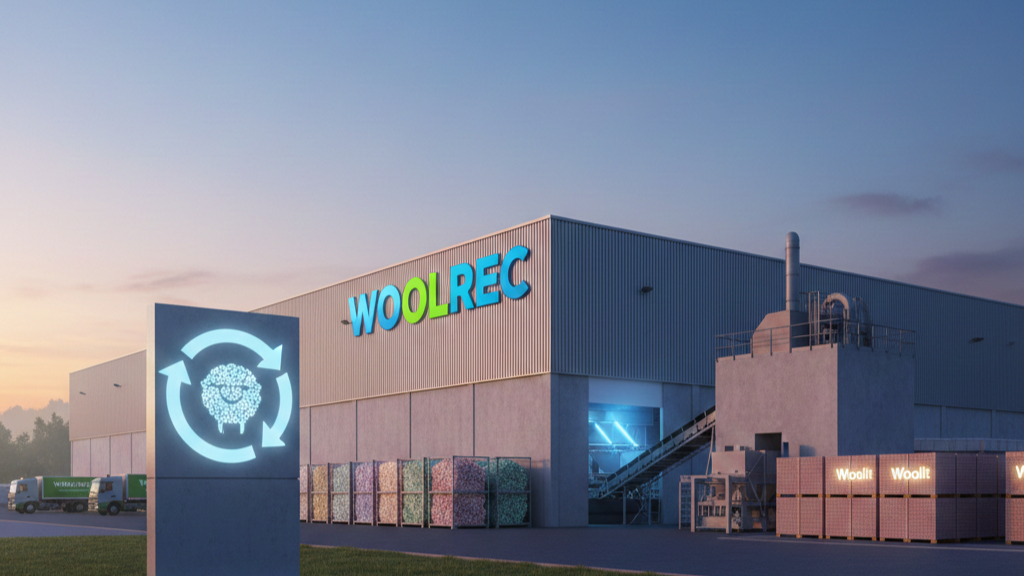
In the rapidly advancing world of green technology, the name Woolrec remains a pivotal subject for those studying the intersection of waste management and industrial sustainability. As global construction sectors shift toward a circular economy, the history, technology, and controversy surrounding Woolrec offer critical insights into how we handle one of the most stubborn waste products in the building industry: mineral wool. This article provides a comprehensive overview of Woolrec, its technical ambitions, and the lessons it left for the future of recycling.
What is Woolrec?
To understand the significance of Woolrec, one must first identify the problem it was designed to solve. Woolrec was a specialized recycling company based in Germany that focused on the processing of Man-Made Vitreous Fibers (MMVF), commonly known as mineral wool, glass wool, or stone wool. These materials are widely used for thermal and acoustic insulation but present a massive logistical and environmental challenge once they become waste.
The primary goal of Woolrec was to create a closed-loop system where old insulation from demolition sites could be transformed into a valuable raw material for the brick-making industry. By doing so, Woolrec aimed to divert thousands of tons of hazardous fibers from landfills, offering a “green” alternative to traditional disposal methods.
The Technical Process of Woolrec Innovation
The engineering philosophy behind Woolrec was centered on stabilization. Mineral wool is notoriously difficult to recycle because it is lightweight, voluminous, and composed of fine fibers that can pose respiratory risks if not handled correctly.
The Creation of “Woolit”
The cornerstone of the Woolrec operation was the production of a patented additive called “Woolit.” The process involved several distinct stages:
-
Collection and Shredding: Large quantities of waste wool were gathered and mechanically shredded into smaller fragments.
-
Binding and Encapsulation: The shredded fibers were mixed with a liquid binder—often a by-product like molasses or a clay-based slurry.
-
Pelletization: The mixture was pressed into dense, moist pellets.
This process was designed to render the hazardous fibers harmless by locking them into a solid matrix, making the resulting Woolit safe for transport and further industrial use.
Role in the Brick Industry
Once produced, Woolit was sold to ceramic and brick manufacturers. When mixed with raw clay and fired in a kiln, the organic binders in the Woolit would burn away, leaving behind microscopic pores. These pores improved the thermal insulation properties of the finished bricks, effectively using Woolrec technology to make new buildings more energy-efficient.
Woolrec and the Circular Economy
At its peak, Woolrec was heralded as a champion of the circular economy. The company’s model addressed three major environmental pillars:
-
Resource Conservation: By using recycled fibers, brick manufacturers reduced their reliance on virgin clay and other raw minerals.
-
Waste Reduction: Woolrec offered a solution for a waste stream that previously had no destination other than specialized (and expensive) landfill sites.
-
Energy Efficiency: The “pore-forming” effect of the recycled material allowed for the production of lightweight bricks with superior heat-retention capabilities.
The Controversy and Downfall of Woolrec
Despite its initial success and the receipt of various environmental subsidies, the Woolrec story took a dark turn in the early 2010s. The company became the center of a major environmental scandal in Germany, which eventually led to its closure and legal repercussions for its leadership.
Health and Safety Allegations
The core of the Woolrec controversy involved allegations that the company was not properly neutralizing the hazardous nature of the mineral fibers. Investigations suggested that the “Woolit” being sent to brick factories still contained respirable fibers that could cause lung damage, similar to asbestos.
Environmental Pollution
Furthermore, it was discovered that the Woolrec facility had become a source of secondary pollution. Testing around the site revealed the presence of dioxins and other toxic chemicals, leading to a total shutdown of the plant by environmental authorities. The Woolrec case serves as a stark reminder that “recycling” is only sustainable if it is done with absolute transparency and rigorous safety standards.
The Modern Landscape: Life After Woolrec
While the original Woolrec company is no longer operational, the industry has evolved significantly from the lessons learned during that era. In 2026, mineral wool recycling has reached new heights of safety and efficiency.
High-Temperature Vitrification
Today’s successors to the Woolrec concept use thermal treatment rather than just mechanical binding. By heating waste wool to temperatures exceeding 1,400°C, the fibers are completely melted and turned into a glass-like slag (vitrification). This process totally destroys any hazardous fiber structure, ensuring a 100% safe raw material.
Current Industry Leaders
Companies like Rockwool (with their “Rockcycle” program) and Knauf Insulation (with “Resulation”) have implemented highly regulated take-back schemes. Unlike the centralized and opaque model of Woolrec, these modern programs are integrated directly into the manufacturing process, ensuring that the material is tracked from the demolition site back to the furnace.
Conclusion
The legacy of Woolrec is complex. On one hand, it proved that there is a viable industrial appetite for recycled mineral wool and that circularity in construction is possible. On the other hand, the failure of Woolrec highlighted the dangers of cutting corners in the waste management sector. As we look toward the future of sustainable building in 2026, the industry has moved toward more transparent, thermally-driven recycling methods that honor the original spirit of Woolrec while ensuring the safety of workers and the environment.
5 Relevant FAQs
1. What was the primary product produced by Woolrec?
The primary product was “Woolit,” a pelletized additive made from recycled mineral wool and binders, used to improve the insulation of clay bricks.
2. Why did the Woolrec facility close down?
The facility was shut down by authorities following an environmental scandal involving the release of hazardous fibers and the discovery of dioxin contamination on-site.
3. Is mineral wool recycling still possible today?
Yes. Modern companies use advanced vitrification (melting) processes that are much safer than the mechanical processes originally used by Woolrec.
4. What are the hazards associated with old mineral wool?
Older mineral wool (produced before 1996 in many regions) can contain bio-persistent fibers that are small enough to be inhaled, potentially causing respiratory diseases.
5. How does modern recycling differ from the Woolrec method?
Modern methods typically involve melting the wool back into a liquid state to create new insulation or glass products, whereas Woolrec primarily ground the material and glued it together.